Emerging trends shaping the future of casino design
Integration of Technology in Casino Design
The integration of technology is fundamentally reshaping the landscape of casino design, with a focus on enhancing the overall player experience. Advanced technologies such as virtual reality (VR) and augmented reality (AR) are being utilized to create immersive environments that blur the line between digital and physical gaming. This trend allows players to enjoy a more engaging experience, drawing them into the gaming world in a way that traditional designs cannot. Furthermore, these technologies enable casinos to offer unique and interactive games that can significantly increase player retention and satisfaction. An excellent example of virtual gaming can be explored at https://syndicatecasinosau.com, where innovative strategies elevate gameplay experience.

Another notable technological advancement is the incorporation of sophisticated data analytics tools. These systems allow casino operators to gather vast amounts of data regarding player behavior, preferences, and spending patterns. By analyzing this data, casinos can make informed decisions about game offerings, promotions, and even the layout of the gaming floor. As a result, the design becomes more tailored to the needs and preferences of players, creating a personalized gaming environment that fosters loyalty and enhances enjoyment.
Additionally, smart building technologies are emerging within the casino design realm. Features such as automated lighting, climate control, and energy-efficient systems are not only beneficial for operational efficiency but also for creating a comfortable atmosphere for patrons. Incorporating these elements into casino architecture reflects a commitment to sustainability while also enhancing the overall player experience. These technological advancements mark a significant shift in how casinos are designed and operated, setting new standards for the industry.
Sustainability and Eco-Friendly Design
The demand for sustainability is increasingly influencing casino design, pushing operators to adopt eco-friendly practices. Modern casinos are now being designed with energy-efficient systems, such as solar panels and LED lighting, to reduce their carbon footprint. These elements not only appeal to environmentally conscious patrons but also significantly lower operating costs in the long run. By prioritizing sustainability, casinos position themselves as responsible businesses, which can enhance their reputation and attract a broader audience.
Moreover, the use of sustainable materials in construction and interior design is becoming a prominent trend. Casinos are opting for recycled or sustainably sourced materials for flooring, furnishings, and decorative elements. This commitment to eco-friendly design not only helps minimize waste but also creates a unique aesthetic that resonates with players who value sustainability. Integrating natural elements, such as indoor gardens or water features, also enhances the ambiance of the casino, contributing to a more relaxing and enjoyable environment.
As regulations around sustainability continue to tighten, forward-thinking casinos are taking the initiative by implementing green certifications. Achieving LEED (Leadership in Energy and Environmental Design) certification, for instance, demonstrates a commitment to eco-friendly practices. This proactive approach can be a significant selling point in marketing strategies, as players increasingly seek entertainment venues that align with their values. As such, eco-friendly design will likely remain a key trend in the future of casino architecture.
Flexible Spaces and Multi-Functional Areas
The design of casinos is evolving to incorporate more flexible spaces that can serve multiple functions. This shift is driven by the need to accommodate a diverse range of activities beyond traditional gaming, such as live entertainment, dining, and social gatherings. By creating versatile areas, casinos can adapt to changing trends and customer preferences, ensuring that they remain relevant and appealing. These multi-functional spaces encourage social interaction and engagement among patrons, enhancing the overall experience.
In many modern casinos, the integration of event spaces, lounges, and restaurants allows for a more holistic approach to entertainment. For instance, a gaming area may be designed to seamlessly flow into a concert venue, making it easy for guests to transition from one experience to another. This design philosophy not only maximizes the use of available space but also attracts a wider audience, from casual gamers to those looking for a vibrant nightlife experience.
The concept of flexible spaces is also evident in the customization of game areas. Casinos are increasingly providing options for players to choose how they want to engage with games, whether through traditional tables, interactive digital screens, or VR stations. This adaptability is crucial in attracting a younger demographic that seeks varied entertainment options. As casinos continue to innovate their designs, the focus on flexibility will likely play a pivotal role in shaping the industry’s future.
Focus on Player Experience and Comfort
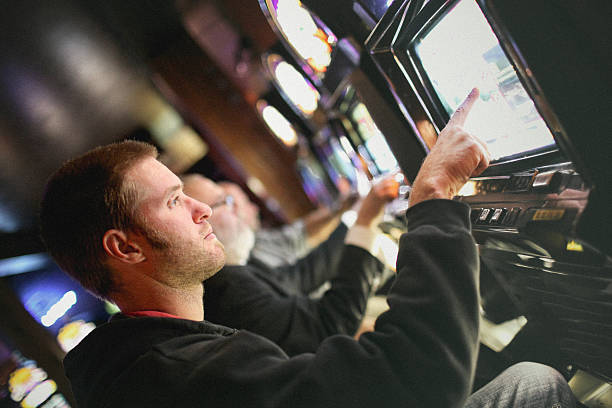
Creating a comfortable and inviting atmosphere for players is at the forefront of modern casino design. Designers are increasingly aware of the importance of ergonomics and aesthetics in enhancing player experience. Comfortable seating, strategically placed gaming machines, and vibrant decor are all elements that contribute to a welcoming environment. By prioritizing comfort, casinos can encourage longer visits, ultimately increasing player engagement and revenue.
Moreover, the integration of social spaces within the casino is a growing trend aimed at fostering community among players. Areas designed for relaxation, socializing, and dining enable guests to take breaks from gaming and enjoy other activities. This not only enhances the overall experience but also promotes a more well-rounded approach to entertainment within the casino. By creating inviting social hubs, casinos can cater to a wider audience, making their venues more attractive to both gamers and non-gamers alike.
As the competition among casinos intensifies, understanding player preferences becomes critical. Casinos are increasingly incorporating feedback mechanisms to learn what patrons enjoy and where improvements can be made. This ongoing dialogue with guests helps shape design decisions, ensuring that casinos continuously evolve to meet the needs of their audience. Ultimately, a focus on player experience and comfort will be essential in establishing a loyal customer base and ensuring long-term success.
Exploring Online Gaming Integration
The rise of online gaming has profoundly impacted casino design, prompting a re-evaluation of traditional gaming environments. Modern casinos are beginning to incorporate digital features that allow for a seamless blend of online and in-person gaming. For instance, casinos may offer mobile apps that enable players to enjoy games from their devices while still engaging with the physical casino environment. This integration is essential for attracting tech-savvy players who expect a cohesive gaming experience.
Additionally, live dealer games have emerged as a popular trend, bringing the thrill of casino gaming directly to players’ homes. Casinos are increasingly investing in high-quality streaming technology and interactive features that allow players to engage with real dealers in real-time. This not only broadens the audience but also enhances the overall gaming experience, as players can enjoy the excitement of a casino atmosphere without leaving their homes.
As online gaming continues to grow in popularity, land-based casinos must adapt their designs to accommodate this shift. This may involve creating designated areas for online gaming enthusiasts or integrating advanced technology that facilitates both online and offline gaming interactions. By embracing these changes, casinos can remain relevant in an evolving market, catering to a diverse range of player preferences and ensuring continued success.
Conclusion and Overview of Syndicate Casino Australia
In summary, the future of casino design is being significantly influenced by emerging trends such as technological integration, sustainability, flexible spaces, player comfort, and online gaming. These factors not only reshape the physical layout of casinos but also enhance the overall player experience, ensuring that venues remain competitive in a rapidly changing market. As casinos adapt to these trends, they are likely to see a positive impact on player engagement and satisfaction.
Syndicate Casino Australia exemplifies these trends by offering an extensive online gaming experience tailored for Australian players. With a focus on user experience and security, it boasts a vast library of games and attractive promotions. As the landscape of casino design continues to evolve, platforms like Syndicate Casino Australia will play a critical role in shaping the future of gaming, merging traditional elements with modern innovations to create an unforgettable experience for players.